



Or click here to see the whole booking page: https://jewelleryvaluer.setmore.com/
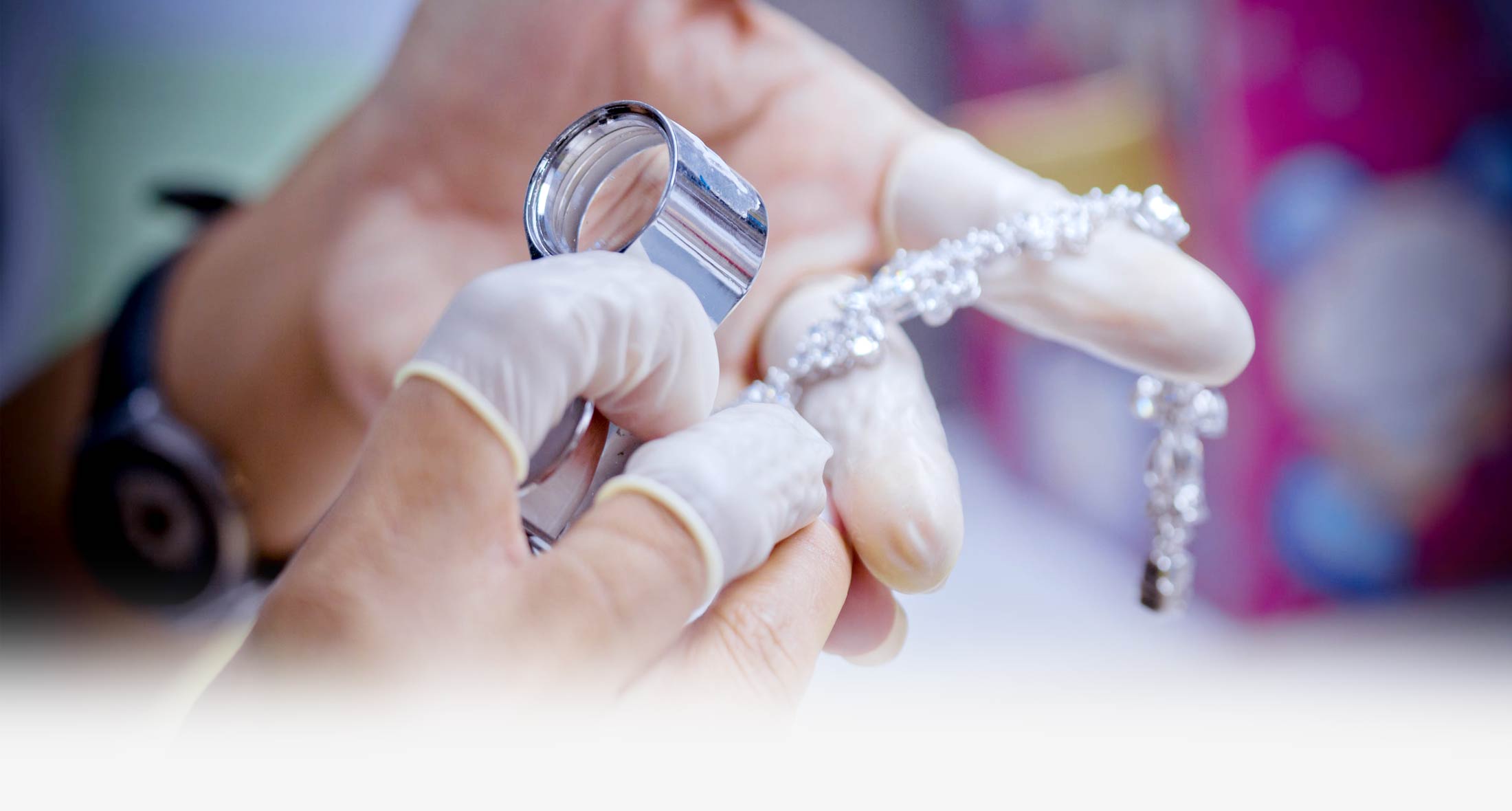
We welcome you to our modern premises at Langage, Plympton where we provide jewellery valuations for the general public.
Please use the BOOK NOW button to make an appointment for our while-you-wait or drop-off service.
For larger collections which may require more time please phone –
Tel: 01752 349799
Sending by post? Use Royal Mail Special Delivery and download a consignment form here: Consignment Form


MICHAEL INKPEN
Independent Jewellery Valuer, Appraiser and Gemmologist
NAJ‘s Institute of Registered Valuers ‘David Wilkins Award’ winner.
Michael was awarded the Institute of Registered Valuers top accolade, the ‘David Wilkins Award’ twice. This recognition was given to the Jewellery Valuer, who in the opinion of their peers and the Management Committee of the IRV“…. demonstrated outstanding skill, dedication or service in respect of jewellery appraisal and valuation.”
This was the first time the award had been made to any valuer twice.
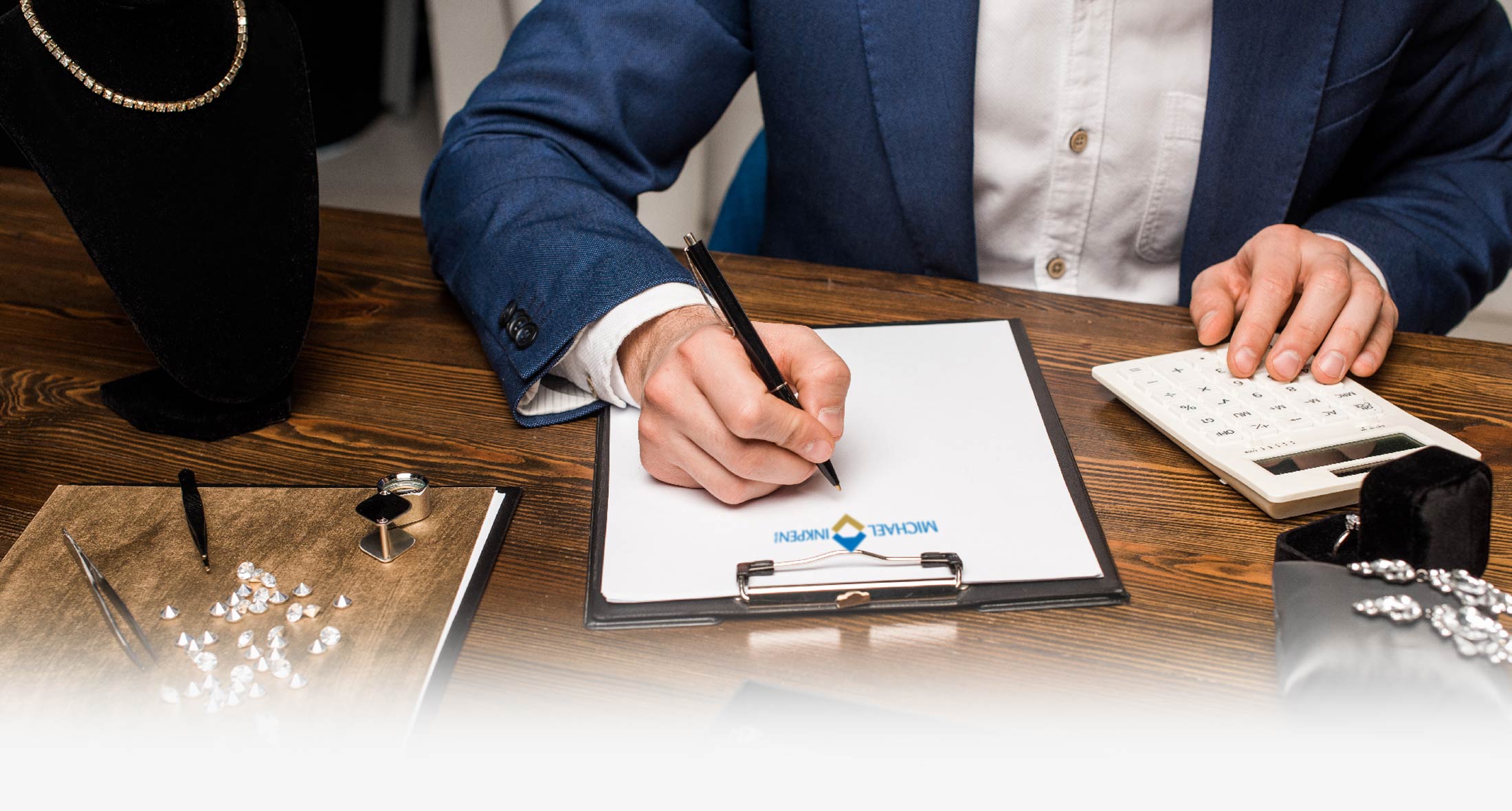
Your jewellery will be described in detail and using our knowledge and experience an impressive document produced, containing all the information required for purposes such as retail replacement, probate settlement, family division (divorce proceedings), private sale and other family matters.
-
We value all types of precious jewellery.
-
A no obligation, free half hour consultation period is available.
-
Our fees are based on the number of items not the value and we quote in advance, because you need to know exactly what the cost will be.
-
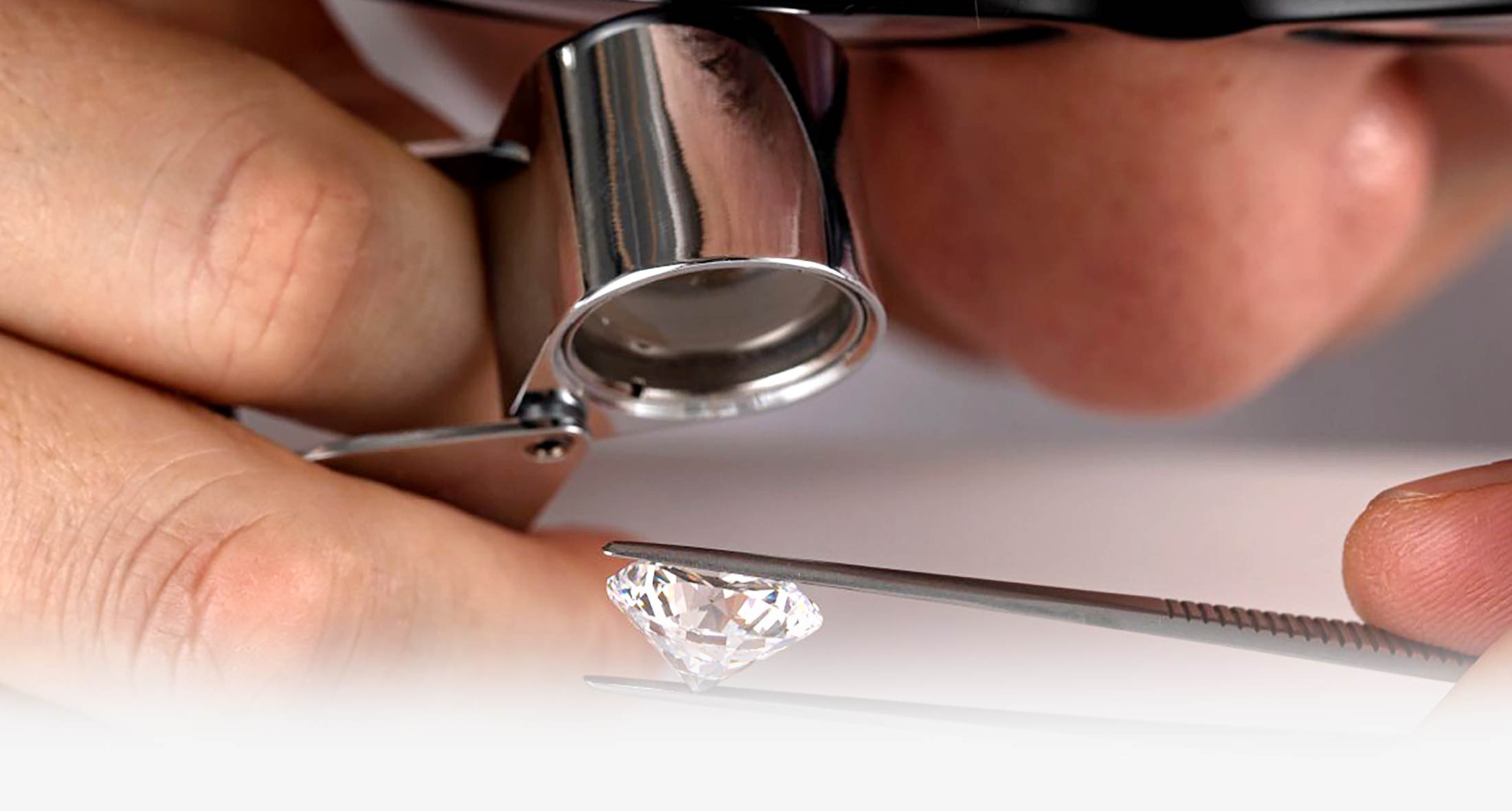
A fully equipped diamond and gemstone testing facility, now using advanced instruments to detect Lab Grown Diamonds.
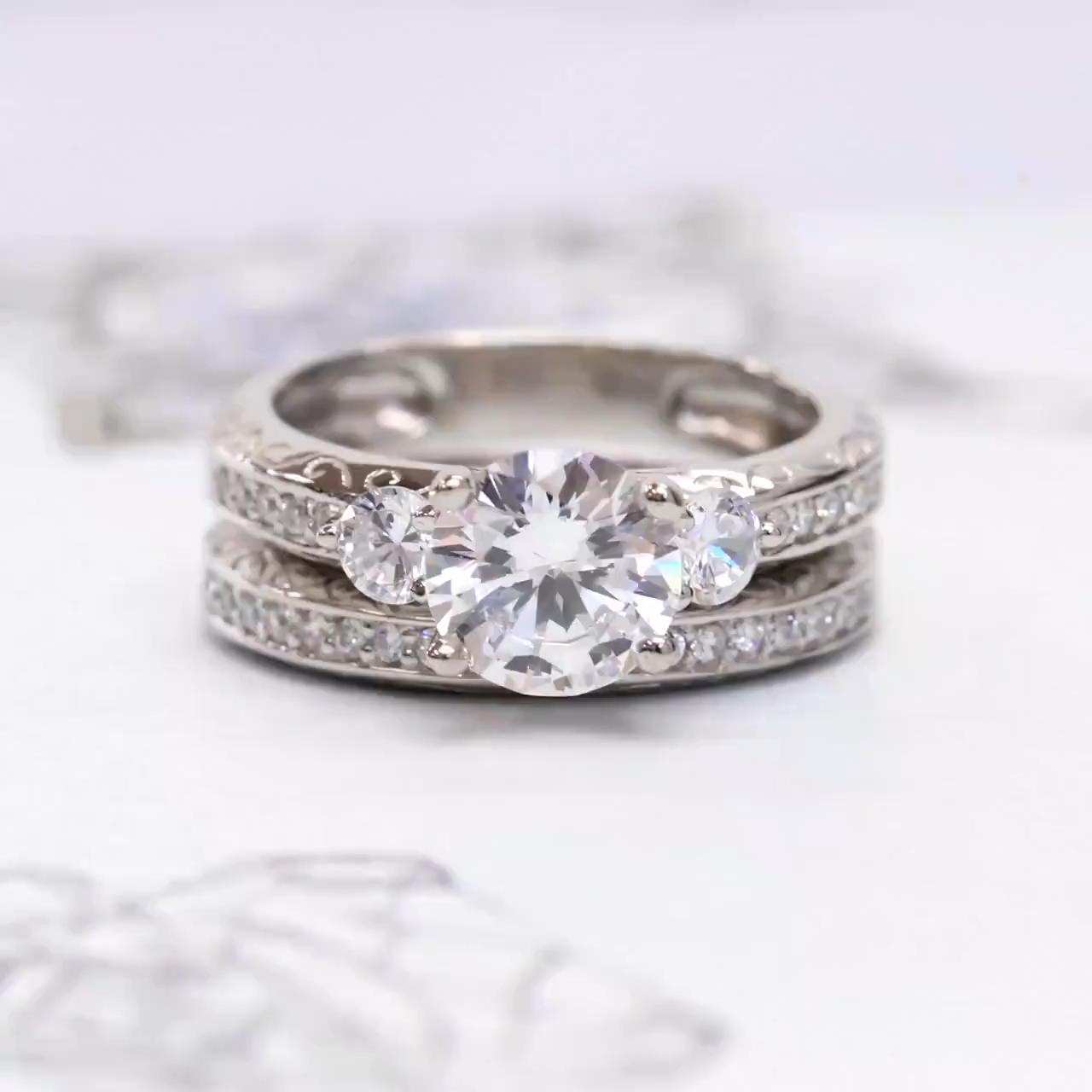

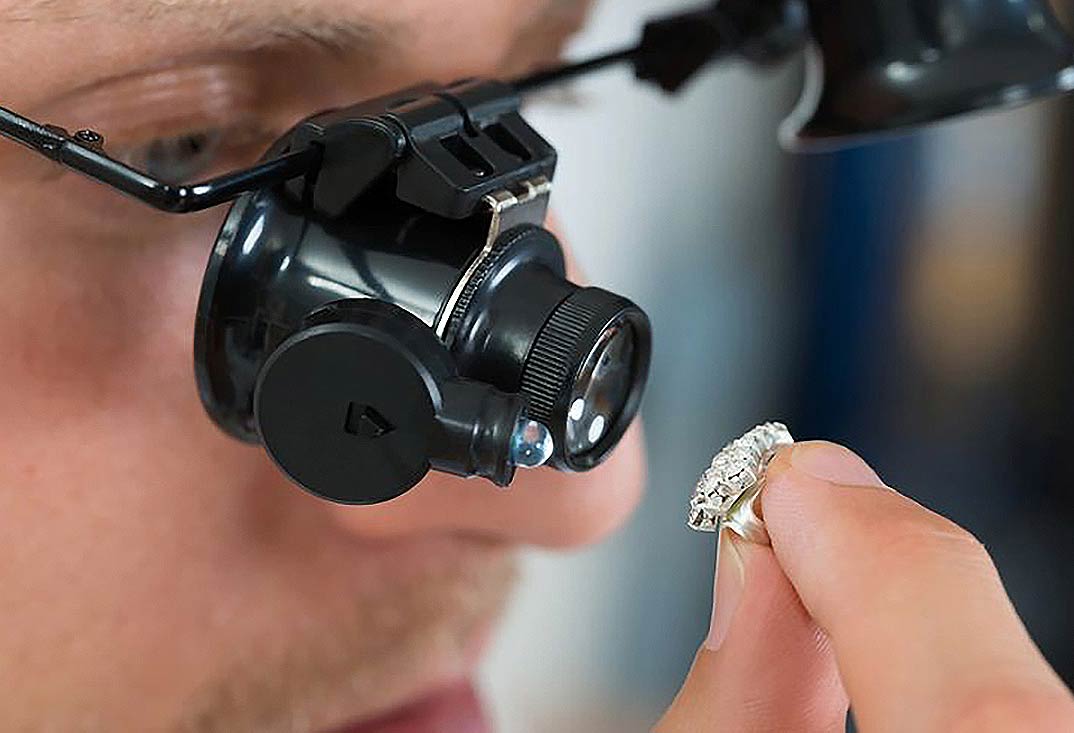
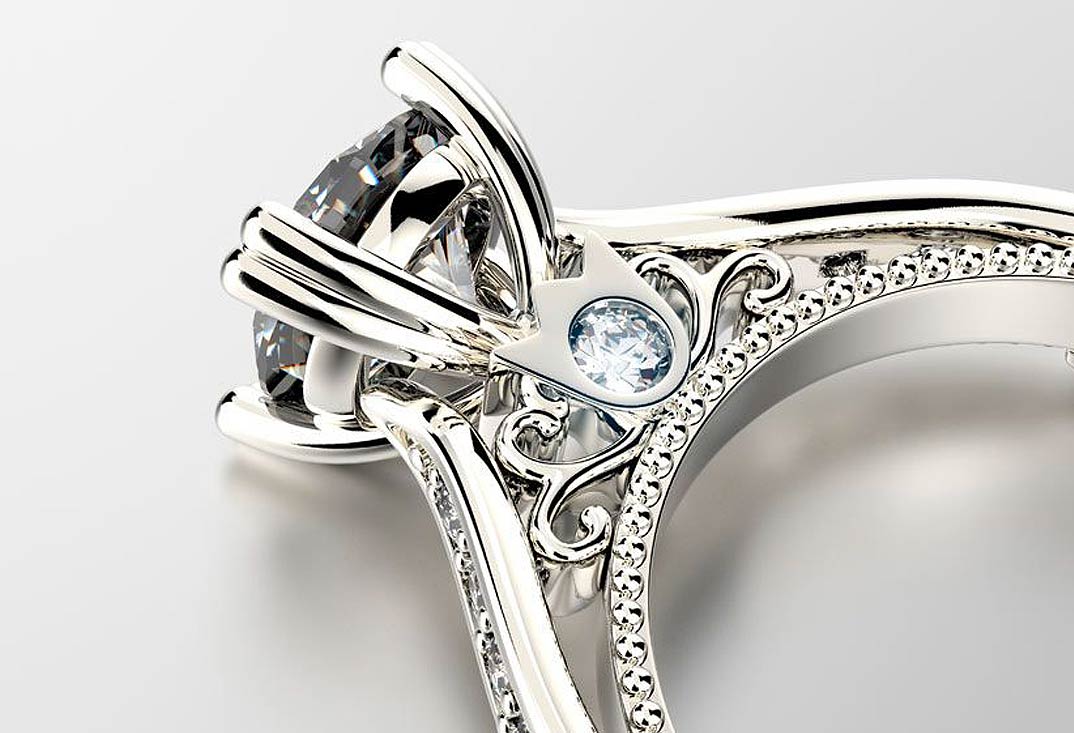
National award winning jewellery valuation service
Michael Inkpen FGA Ltd is an Independent Professional Jewellery Valuation Service. We provide a service for private clients, insurance companies and quality jewellers throughout the South West of England.
For those with larger collections we specialise in home visits providing a discrete and efficient service in the privacy of your own home. Situated in Plympton, Devon, our Home Visit Service is available in the South Hams region of Devon and other areas by arrangement. We provide a visiting service to clients in and around the cities of Exeter, Plymouth, Truro and the Torbay area.
To verify our credentials and experience, please click on any of our accredited logos below: